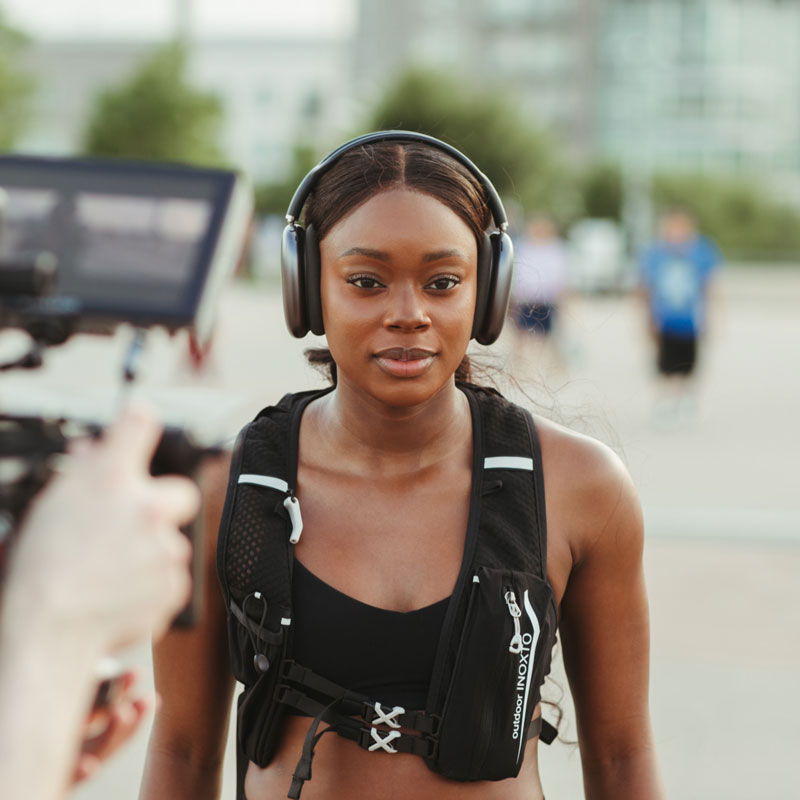
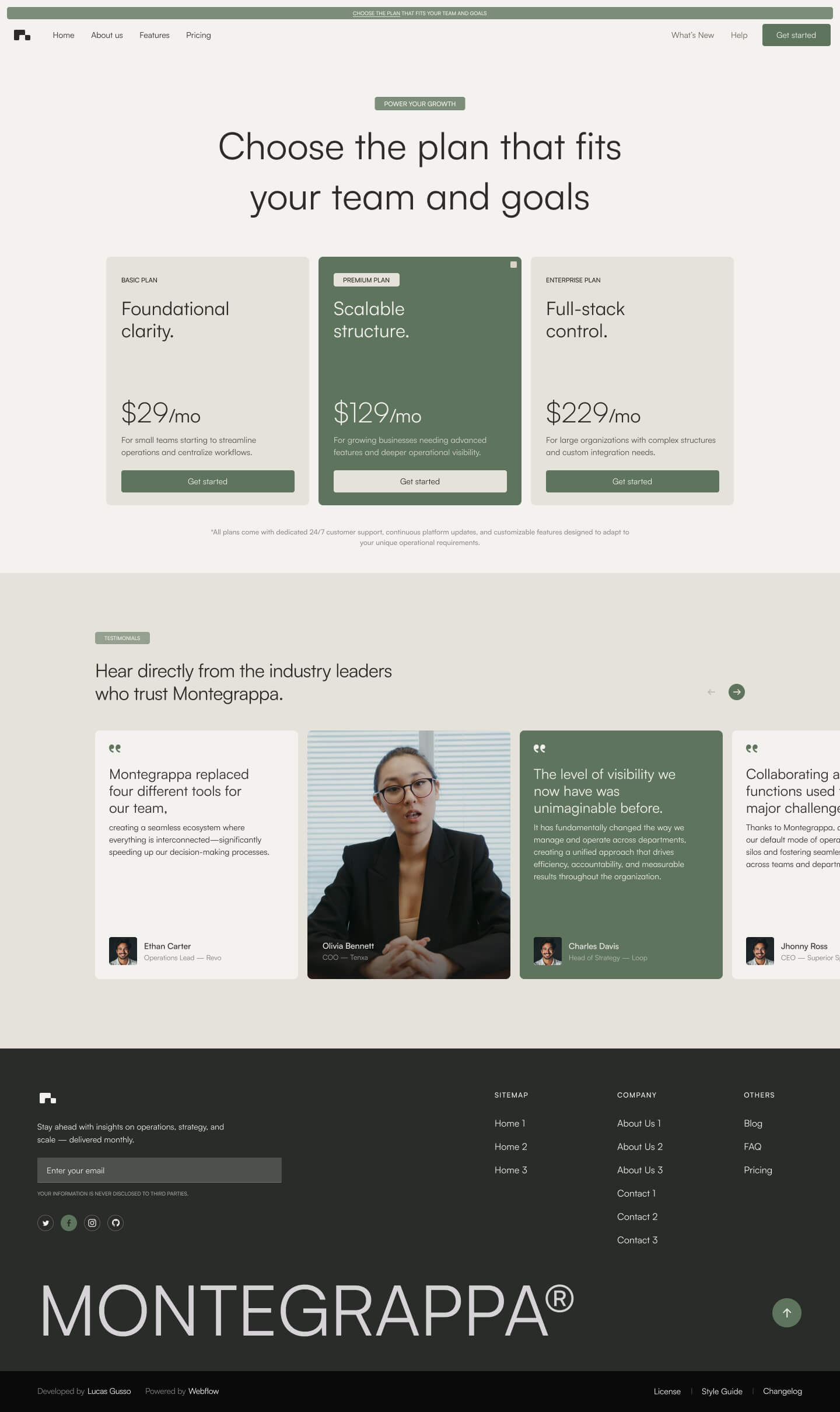
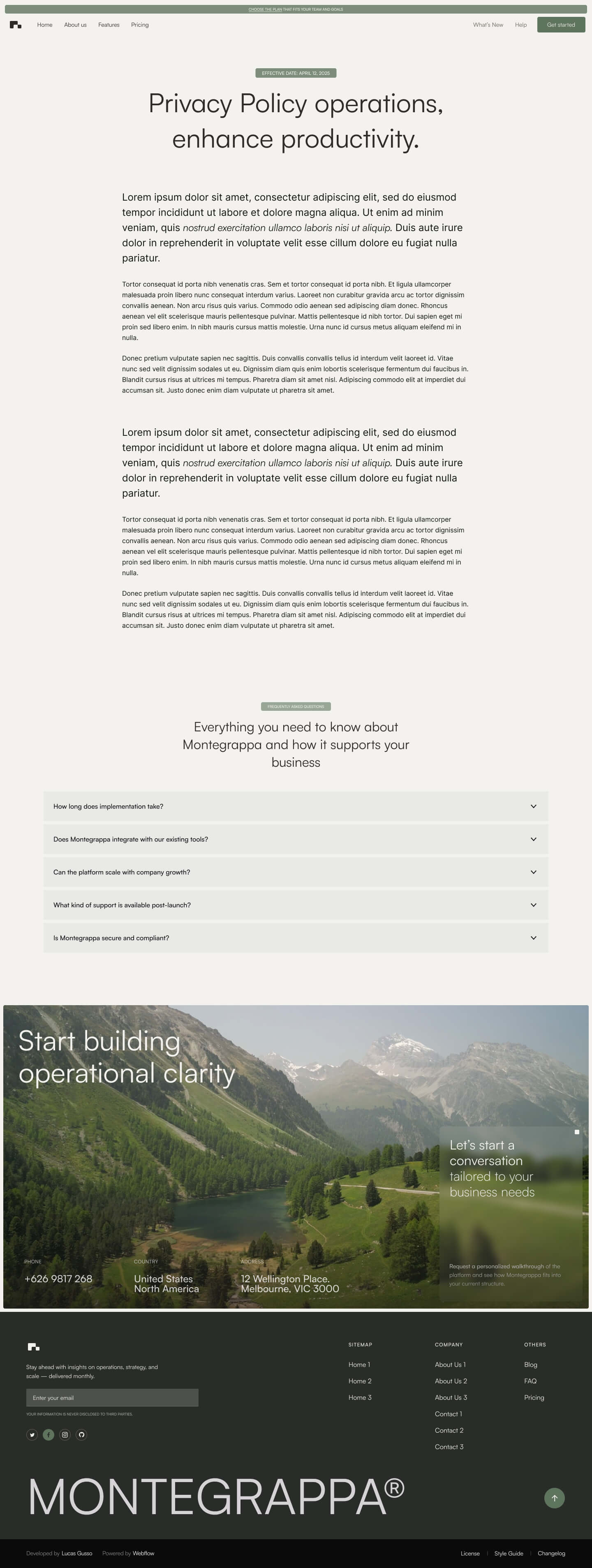
Get a closer look at every layout included in the Montegrappa Template. Each homepage variation is designed for clarity, flexibility, and performance—so you can choose the one that best fits your needs.




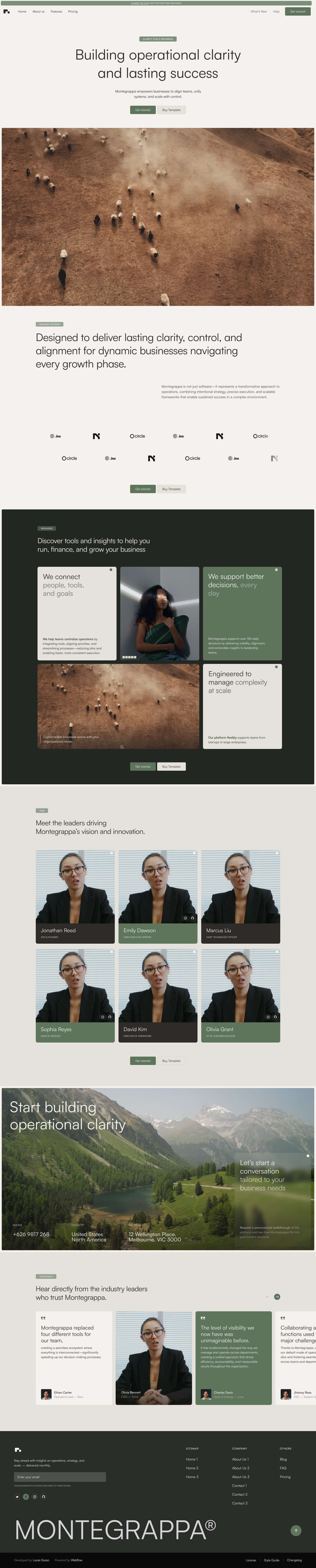
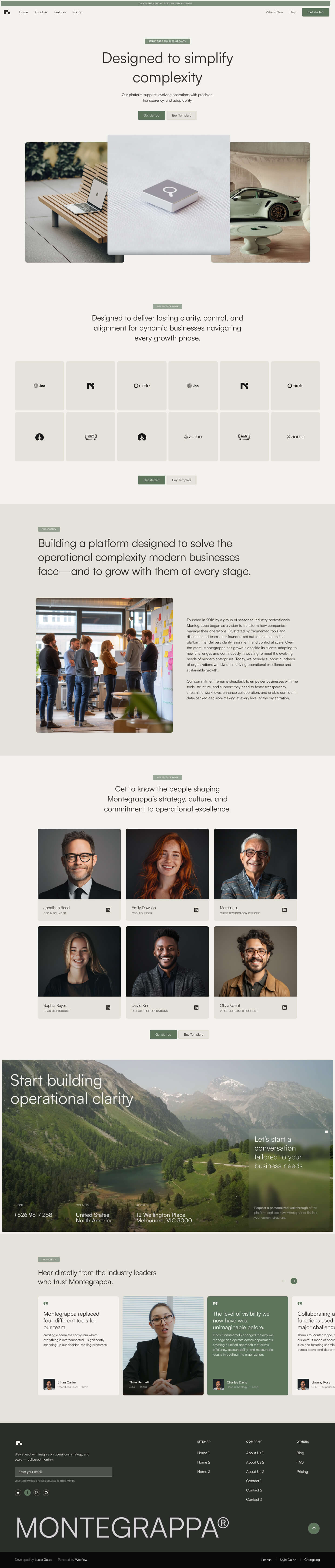

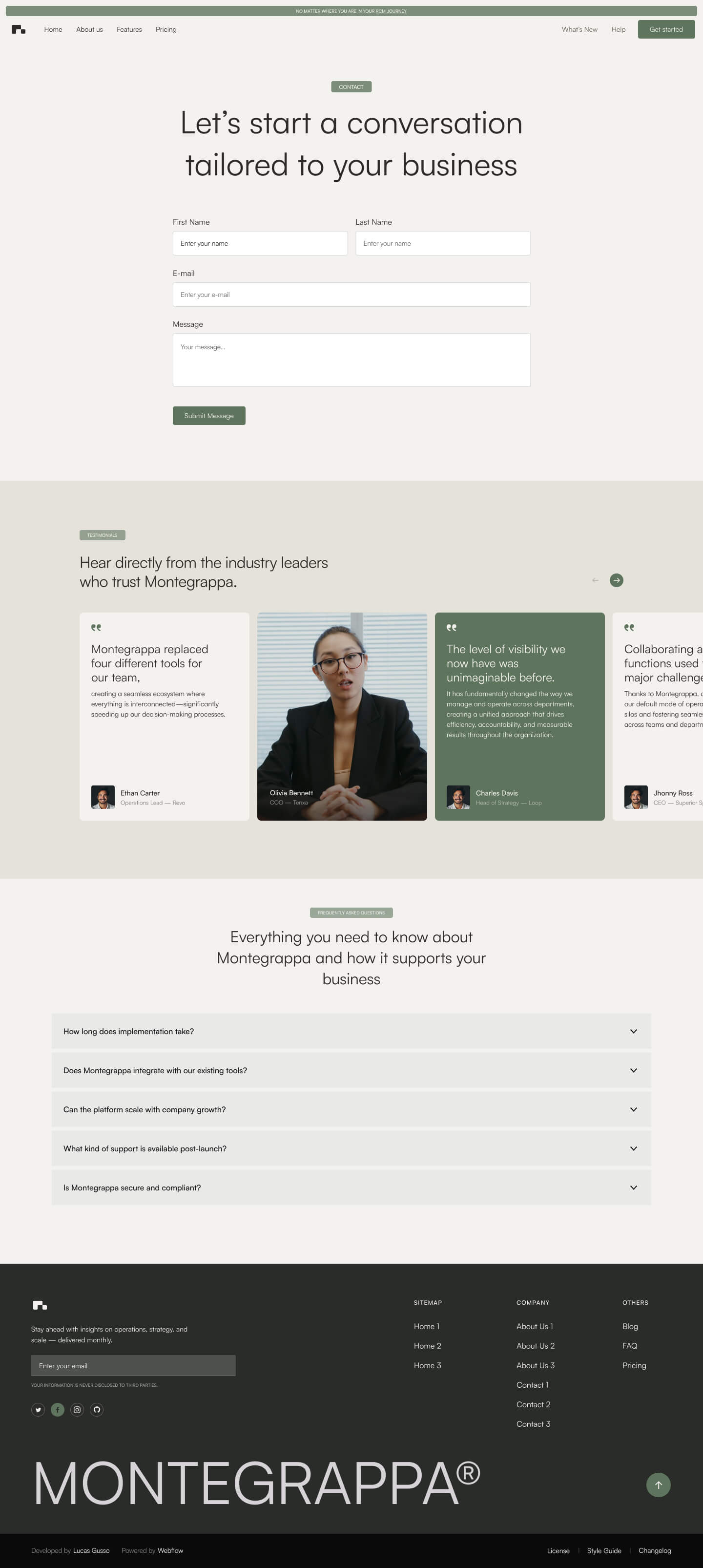
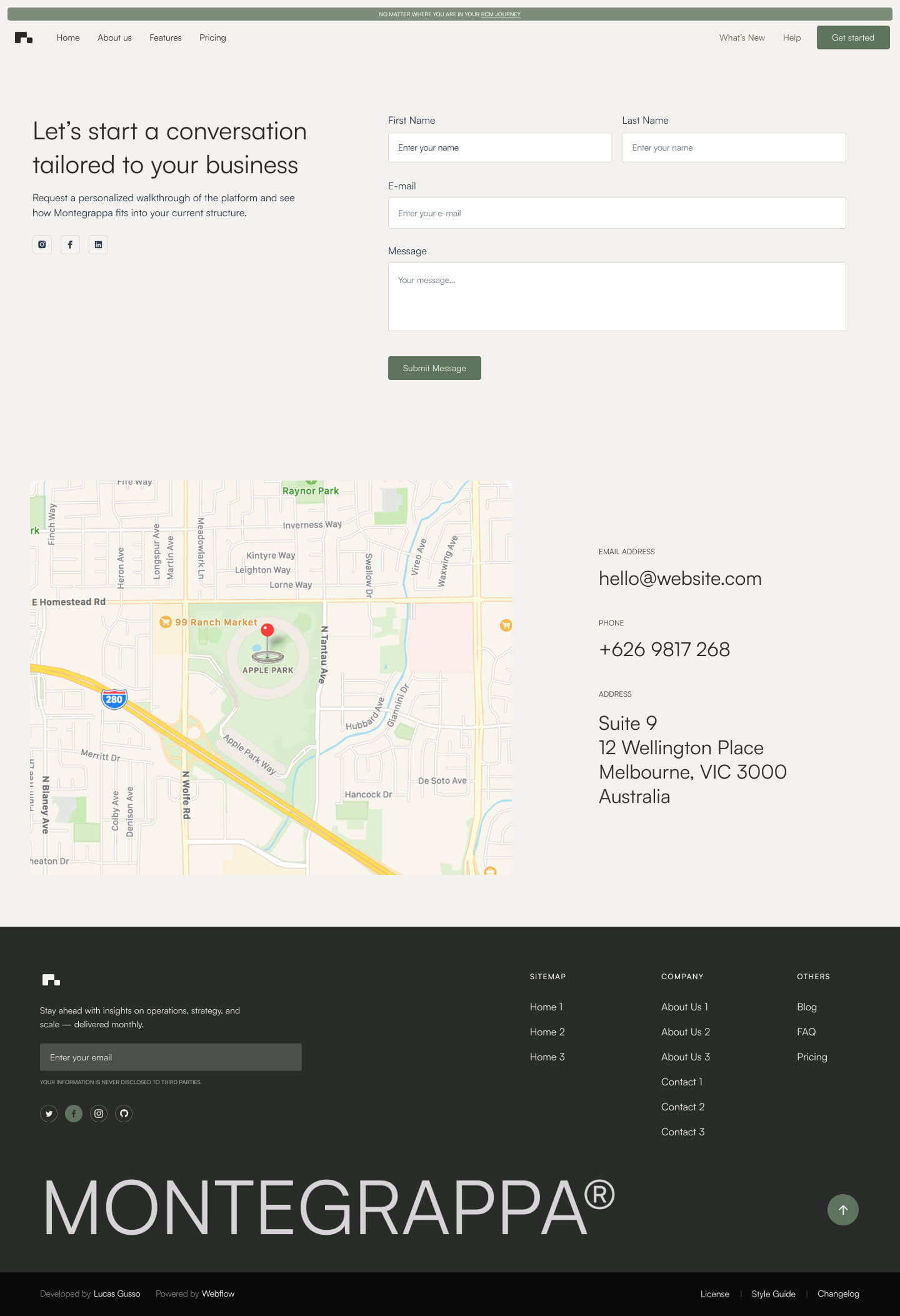
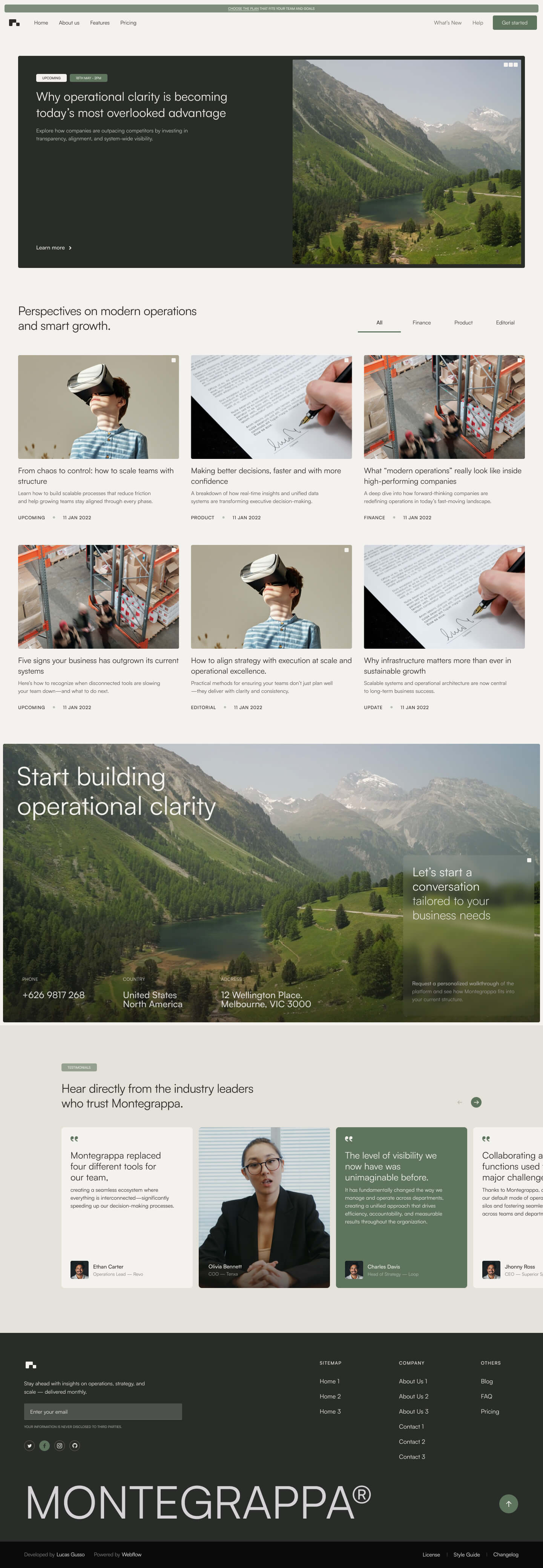
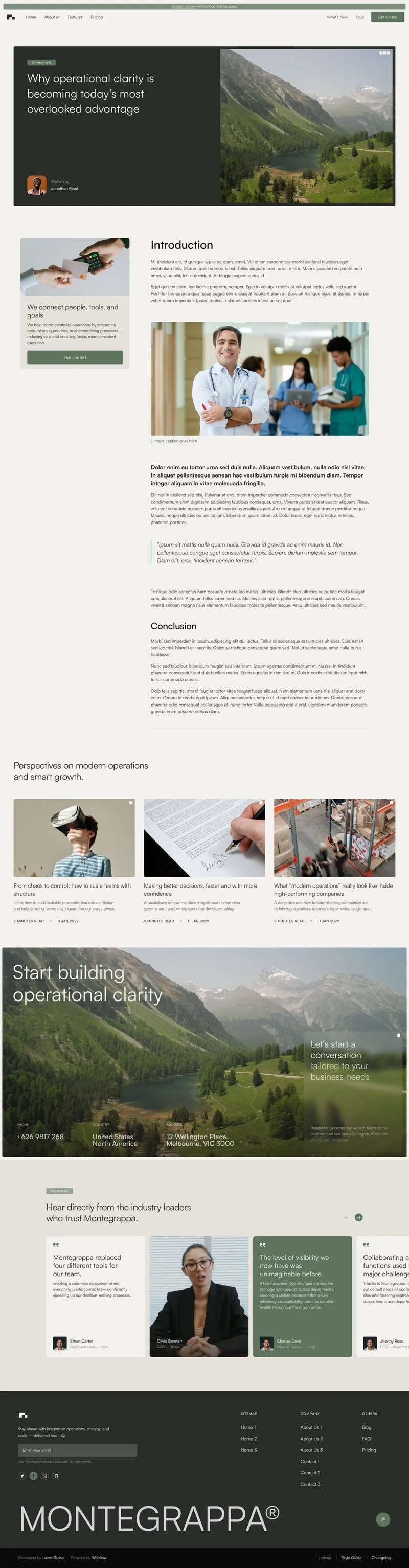
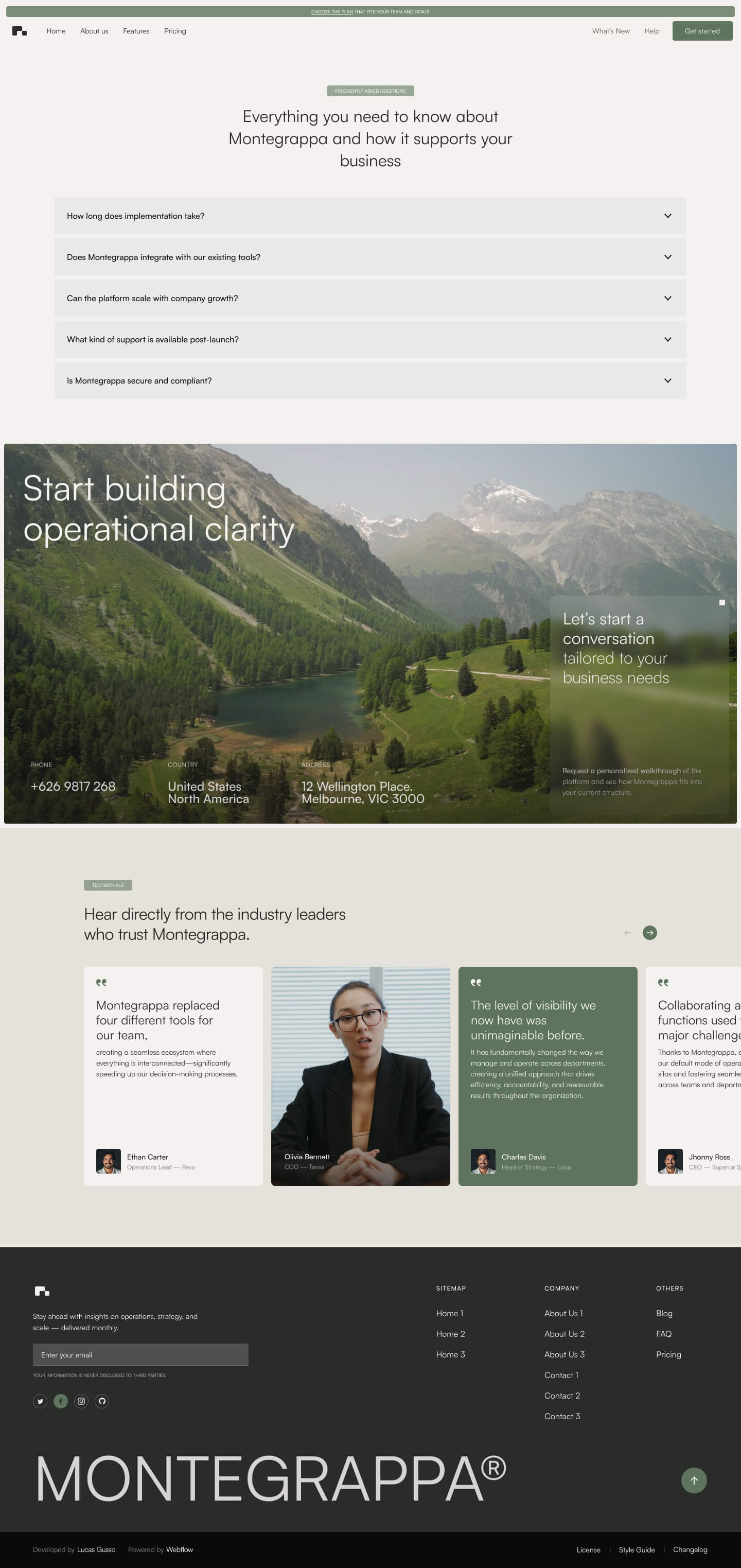
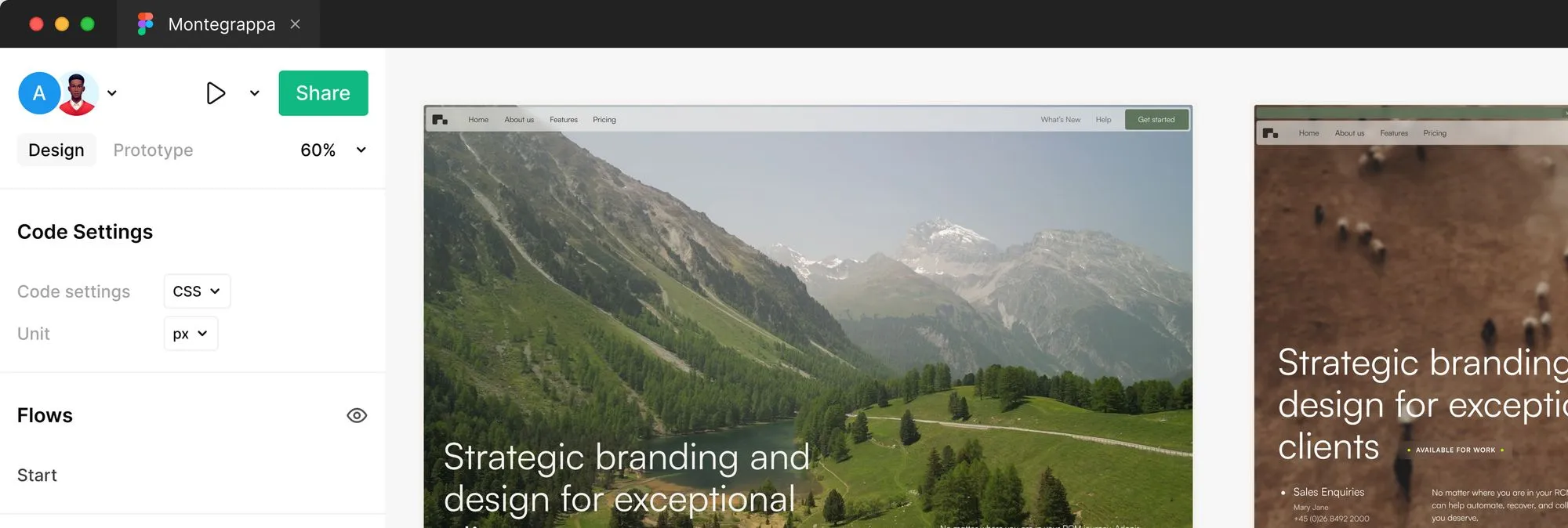
Send us an email to lucas.gusso@gmail.com with your purchase receipt, and we will send you the editable Figma file for the Montegrappa Template.
Why Your Website Needs to Be Written for Both SEO and AEO

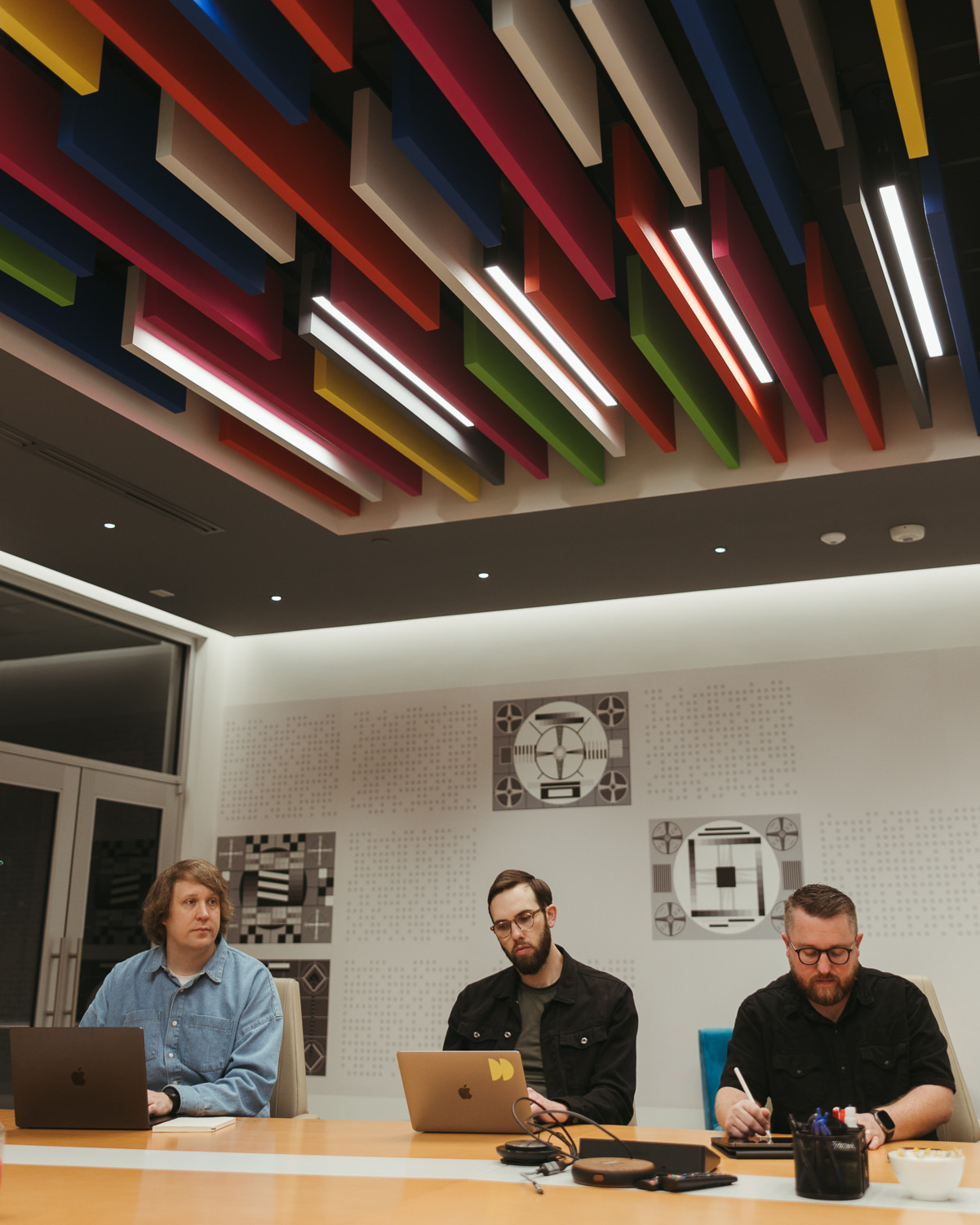

From brand strategy to storytelling, we help companies find their voice, focus their message, and create creative that converts.
For the last twenty years, "writing for the web" really meant one thing: writing for Google. You picked your keywords, you wrote your H1s, you earned your backlinks, and if you did it well, you climbed the ranks and traffic followed.
That world hasn't disappeared. But it has a new floor underneath it.
Today, when someone wants to know which CRM is best for a small consultancy, or whether a particular accounting firm is worth hiring, or what a copywriting retainer should actually cost — they're not always typing into Google and clicking the third blue link anymore. They're asking ChatGPT. They're scanning Google's AI Overview. They're letting Perplexity summarize the whole web for them in a paragraph.
Your potential customer might learn everything they need to know about your business without ever visiting your site.
That shift has a name now: Answer Engine Optimization, or AEO. And here's the part that matters for any brand serious about being found: AEO doesn't replace SEO. It runs alongside it. The websites that win the next decade will be written for both.
What SEO and AEO actually do (in plain English)
SEO (Search Engine Optimization) is the practice of helping search engines like Google understand what your page is about so they can rank it well when someone searches a relevant query. The goal is to get the click.
AEO (Answer Engine Optimization) is the practice of structuring your content, your authority signals, and your technical foundations so that AI systems — Google's AI Overviews, ChatGPT, Claude, Gemini, Perplexity — can confidently understand your brand, trust your information, and surface it inside the answers they generate. The goal is to be the answer.
Notice the overlap. Both rely on clear writing, real expertise, useful structure, and credible signals. Both reward content that genuinely helps the reader. The differences are in how the content is consumed: a search engine sends a person to your page, while an answer engine often summarizes your page on someone else's behalf.
If you only write for one, you lose ground in the other.
Why "either/or" is the wrong frame
We hear two versions of the same mistake from prospects all the time.
The first sounds like: "AEO is the future. SEO is dead. Let's stop worrying about keywords." That's a great way to disappear from the half of your buyer journey that still starts with a Google query — which, by the way, is still most of it.
The second sounds like: "We've been doing SEO for years. AI search is just hype." That's a great way to be invisible in the place your buyers are increasingly going first.
The truth is less dramatic and more useful. SEO and AEO are two ways of being legible to the systems that connect humans to information. The fundamentals overlap heavily. The execution diverges in a few important places. And the bridge between them is, almost always, the writing itself.
What writing for both actually looks like
This is where we live as an agency, so we'll get specific. Here's what changes when you stop writing only for Google and start writing for the whole ecosystem.
You write to answer, not just to rank. Old SEO copy often buried the answer ten paragraphs down so the page felt "comprehensive." AEO punishes that. AI systems are looking for clean, direct answers they can lift and attribute. So your headlines pose questions. Your opening paragraphs answer them. The depth comes after, for the reader who wants more.
You sound like a human, not a keyword cluster. Stuffing a phrase like "best CRM for small business 2026" eight times into a 900-word page used to be a workable shortcut. Now it's a tell. Both Google and the LLMs are increasingly tuned to flag content that reads like it was written for a robot rather than a person. Good writing — natural, specific, voice-driven — is the new technical advantage.
You build structure into the page, not on top of it. FAQs, clear subheadings, definition blocks, comparison tables, freshness dates, named author bios with real credentials — these aren't decorations. They're the scaffolding AI engines use to decide what your page is actually about and whether to trust it. Done well, these elements serve human readers too.
You repeat your story consistently across the site. AI systems pull from many pages at once and synthesize. If your homepage describes you one way, your About page another, and your blog a third, the model has to guess. And when it guesses, it flattens — often into something generic that could describe any competitor in your space. A consistent narrative, repeated cleanly across pages, gives the model less room to misrepresent you.
You earn authority signals on purpose. Citations, original research, expert bylines, third-party mentions, schema markup, internal linking — all of this tells both kinds of engines that you're a credible source rather than a content factory. AEO especially rewards brands that look like reference material instead of marketing fluff.
A 2025 Webflow survey of 400-plus marketing professionals found that the teams furthest along on AEO weren't doing anything magical. They were doing the unglamorous work of clarifying who owns AI-readiness internally, building repeatable content workflows, and tracking how their brand actually shows up in AI answers. Boring on paper. Decisive in practice.
The mistakes we see most often
When a brand calls us in to help, the same patterns show up over and over.
Pages full of vague brand language that no AI engine could confidently summarize. Help center articles that bury the answer under three paragraphs of throat-clearing. About pages that read like resumes instead of stories. Service pages where the same offer is described three different ways depending on which marketer wrote which version. No FAQ section, no schema, no author attribution. And — the quiet killer — a content calendar built around keywords with no thought to the actual questions buyers are asking.
None of these are catastrophes individually. Stack them together across a site, though, and you've built a website that's hard to rank, hard to summarize, and hard to trust. SEO and AEO struggle with the same site for the same reasons.
The brands that are going to win
Here's the part we find genuinely exciting. The brands pulling ahead aren't necessarily the ones with the biggest content budgets or the most aggressive AI tooling. They're the ones treating writing as a strategic asset again.
That means hiring writers who understand both how a sentence works and how a search engine reads it. It means investing in clarity over cleverness. It means building a site where the words on the page would make sense to a thoughtful human, a Googlebot, and an LLM all at once. The fundamentals haven't changed as much as the marketing press would have you believe — they've just been raised.
If you're walking into this shift wondering where your site stands, you're not alone. Most marketing teams we talk to are somewhere between "we know we need to do something" and "we're not sure where to start." That gap is where we work.
Where Good Word Agency comes in
Good Word Agency exists because we believe writing is still the most underrated lever in marketing — and the rise of AI search has only made that more true. We help brands audit what's already on their site, rebuild the pages that matter most, and develop content strategies that earn rankings on Google and citations inside AI answers. No fluff, no jargon, no "AI slop." Just words that work in both worlds.
If your site is overdue for a closer look, we'd love to help you take one. Get in touch and let's talk about what writing for SEO and AEO could look like for your brand.
Discover tools and insights to help you run, finance, and grow your business


Five Questions You Must Ask When Rebranding a Business
The discovery questions that shape direction before design begins

Why Smart Brands Invest During a Recession
Playing Offense in a Downturn: Why Strong Brands Don’t Flinch
Lamar University Homecoming 2025
How authentic storytelling and cinematic content turned a campus tradition into a record-breaking digital campaign.


Working with Good Word Agency has been a seamless experience. Jordan, Toby, Sara, and the team bring sharp project management, true client focus, and consistently high-quality creative work.


Jordan Laessig filmed more than 40 of our team members across three sites, capturing their sincerity, humor, and character with incredible skill. He even made seemingly boring warehouses full of windshields look warm and inviting! The finished video was outstanding, and Jordan’s upbeat energy made the process a joy. We’ll definitely partner with Good Word again.

Jordan and his team delivered a creative proposal which led to eye capturing photographic and video content, and a fresh new look for our agency. Since launching, we’ve seen a major boost in brand awareness, SEO, and client engagement. Their work goes beyond marketing, it’s lasting memories captured with true professionalism.

Good Word Agency is truly one of a kind. Every time Jordan reaches out to me about working with him and his team it’s an immediate yes. I look forward to working with the team again in the future.